

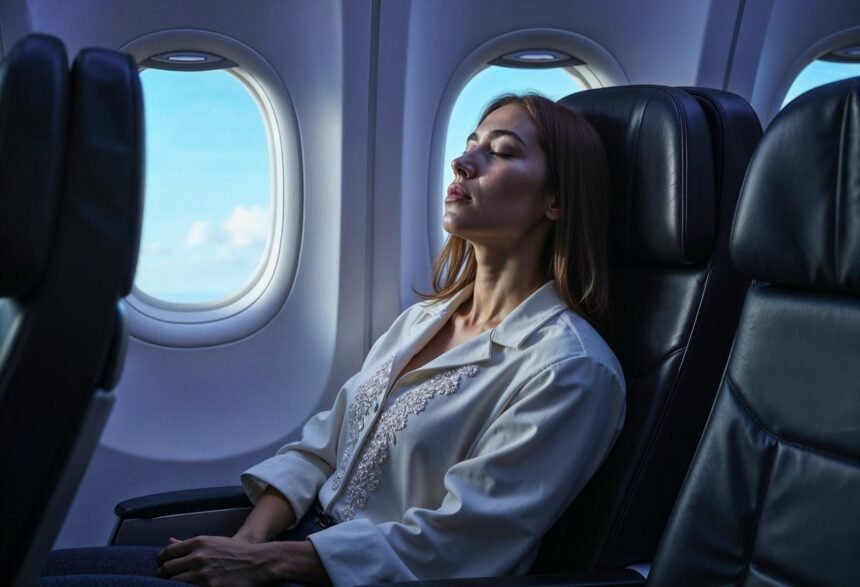

Opening window shades during landing might seem like a minor request from flight attendants, but it plays a vital role in aviation safety protocols. This practice, often puzzling to many travelers, is far from arbitrary. It’s a carefully designed measure implemented by airlines worldwide to enhance passenger safety during one of the most critical phases of a flight. Understanding why open window shades during landing is essential can help demystify air travel and highlight the intricate layers of protection built into every journey.
The Safety Imperative Behind the Request
When flight attendants instruct passengers to raise their window shades as the plane prepares for descent, it’s not just about letting in natural light or improving the cabin’s ambiance. This directive stems from rigorous safety standards established by international aviation authorities, such as the International Civil Aviation Organization (ICAO) and the Federal Aviation Administration (FAA). These organizations mandate procedures that minimize risks during takeoff and landing, periods statistically proven to be the most accident-prone in commercial aviation.
By ensuring windows are uncovered, crews create an environment where potential hazards can be spotted instantly, allowing for swift responses that could prevent disasters.
Enhancing Visibility for Emergency Detection
One of the primary reasons to open window shades during landing is to improve overall visibility both inside and outside the aircraft. In the event of an emergency, such as an engine malfunction, fire, or structural issue, open shades enable not only the cabin crew but also vigilant passengers to observe anomalies like smoke plumes, flames, or unusual sparks emanating from the wings or fuselage.
This collective awareness can be lifesaving. For instance, historical incidents, including the 2009 Hudson River landing of US Airways Flight 1549, underscore how quick visual assessments from multiple viewpoints aided in safe evacuations. Passengers acting as additional “eyes” can alert crew members to dangers that might otherwise go unnoticed, facilitating informed decisions on evacuation routes and avoiding blocked or hazardous exits.
Maintaining Passenger Alertness and Cabin Readiness
A well-lit cabin is another key benefit of having window shades up. Natural light helps combat the drowsiness that can set in during flights, especially on long-haul routes where passengers might have adjusted to dimmer conditions. During landing, when focus and quick reactions are paramount, this alertness is crucial. Flight attendants can more easily monitor the cabin for any signs of distress among passengers, such as medical issues or anxiety, ensuring everyone is prepared for a smooth touchdown or, in rare cases, an abrupt change in plans.
Additionally, open shades allow for a rapid cabin inspection, confirming that seatbelts are fastened, tray tables are stowed, and overhead bins are secure— all part of the pre-landing checklist that reinforces safety.
Preparing Eyes for Rapid Evacuation
Eye adaptation to external lighting conditions is a subtle yet significant factor in why open window shades during landing is enforced. If shades remain down, passengers’ eyes might be accustomed to the artificial cabin lighting, leading to temporary disorientation upon exposure to bright daylight outside. This adjustment period, even if just a few seconds, could be critical in an evacuation scenario where every moment counts.
Aviation experts reference studies from organizations like the National Transportation Safety Board (NTSB), which show that visual acclimatization reduces confusion and speeds up egress times. At night, conversely, viewing the dimly lit runway or surroundings through open windows helps eyes adjust to lower light levels, minimizing the risk of stumbling or hesitation during an emergency exit under dark conditions.
Guiding Safe Exit Strategies
Open window shades also provide immediate visual cues about the aircraft’s external environment, aiding in the selection of safe exit points. If there’s fire or debris on one side of the plane, crew members can quickly assess and direct passengers to the opposite, unobstructed side. This real-time evaluation prevents bottlenecks and enhances evacuation efficiency. Passengers, too, gain confidence from seeing the situation firsthand, making them more likely to follow instructions promptly. Training programs for flight attendants, often simulated in mock aircraft environments, emphasize this visual strategy, drawing from real-world events like the 2018 Southwest Airlines Flight 1380 engine failure, where passenger observations through windows contributed to a coordinated response.
Global Standards and Airline Consistency
This procedure isn’t unique to any one airline or region; it’s a universal standard upheld by global aviation bodies to ensure consistency in safety training and passenger protection. Whether you’re flying with a major carrier like Delta, Emirates, or a budget airline such as Ryanair, the rule to open window shades during landing aligns with international regulations. These guidelines are periodically reviewed and updated based on incident analyses and technological advancements, such as improved aircraft sensors. Airlines invest heavily in crew education to enforce these measures, often incorporating them into safety briefings to educate passengers on their importance, fostering a culture of shared responsibility in air travel.
Additional Benefits and Passenger Considerations
Beyond emergencies, opening window shades during landing offers practical advantages, like allowing ground crews to confirm the aircraft’s condition upon approach visually. It also enhances the overall flying experience by providing views of the destination, which can alleviate landing anxiety for some travelers.
However, for those sensitive to light, airlines recommend using sunglasses or adjusting seating if possible, without compromising the safety protocol. As air travel evolves with innovations like larger windows in modern aircraft, such as the Boeing 787 Dreamliner, these practices continue to adapt, ensuring that open window shades during landing remain a cornerstone of passenger safety.
In essence, the next time a flight attendant reminds you to raise your shade, remember it’s a small action with profound implications. By adhering to this and other safety instructions, passengers contribute to a safer skies for everyone, underscoring the meticulous planning that makes commercial aviation one of the safest modes of transportation today.