

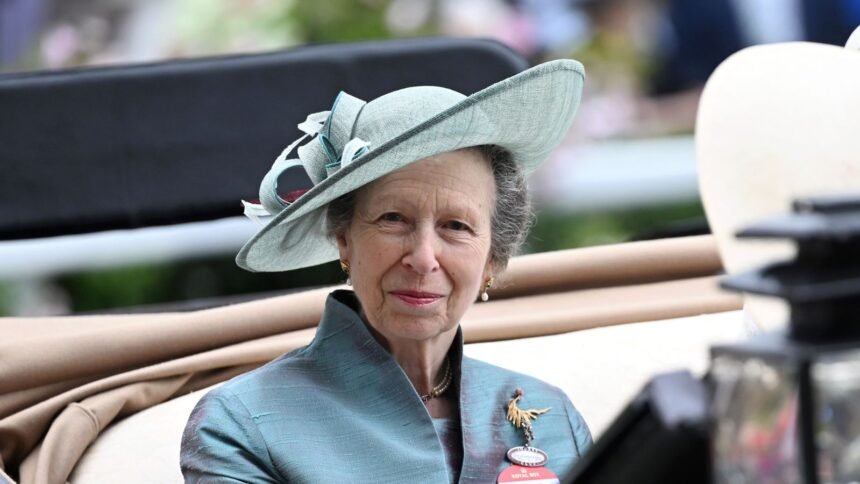

Princess Anne, the only daughter of the late Queen Elizabeth II, has always been known for her straightforward and no-nonsense approach to life. Recently, an old interview has resurfaced, shedding light on her candid views about the financial challenges of maintaining her sprawling estate. This revelation about Princess Anne running costs highlights the practical side of royal life, where even members of the monarchy must ensure their homes pay their way. In this article from Bol news Life style, we delve deep into the details of her £6m home, Gatcombe Park, and explore how she balances tradition with economic realities.
The Majestic Gatcombe Park
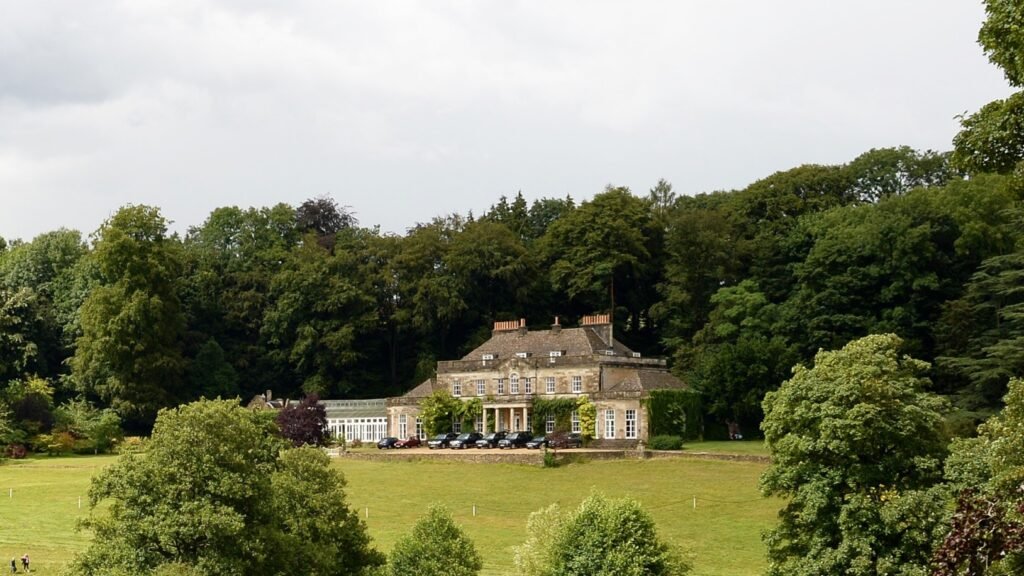
Gatcombe Park, nestled in the picturesque Cotswolds countryside, stands as a testament to royal heritage and modern functionality. Purchased by Queen Elizabeth II as a wedding gift for Princess Anne and her first husband, Captain Mark Phillips, in 1976, the estate spans an impressive 700 acres. Valued at around £6 million today, it includes lush farmlands, woodlands, and equestrian facilities that reflect Anne’s passion for horses. But beyond its beauty, Gatcombe Park is no idle retreat—it’s a fully operational farm that demands careful management to cover the Princess Anne running costs.
The main residence, Gatcombe House, boasts five main bedrooms, four additional secondary bedrooms, four elegant reception rooms, a cozy library, a billiard room, and a bright conservatory. These features make it a comfortable family home, yet the sheer size and upkeep requirements contribute significantly to the Princess Anne running costs. From heating vast spaces to maintaining the grounds, the expenses add up quickly in an era of rising energy prices and environmental regulations. Princess Anne has transformed the property into a working farm, rearing animals like Wiltshire Horn sheep, Gloucester Old Spot pigs, Highland cattle, and horses. This not only aligns with her love for rural life but also helps offset some of the financial burdens associated with the Princess Anne running costs.
Princess Anne’s Frank Words on Financial Realities
In a resurfaced 2009 interview with Country Life magazine, Princess Anne opened up about the harsh realities of keeping Gatcombe Park afloat. She emphasized that the estate must “pay its way” to remain viable, stating bluntly, “This is not something that comes free; this has got to pay its way, otherwise I can’t stay here.” This comment, echoed in a 2014 statement, underscores the Princess Anne running costs and the need for self-sufficiency even among royals. Her words reveal a pragmatic mindset, far removed from the fairy-tale image of palace life.
Princess Anne’s concerns extend to the farm’s organic status, which she holds dear. In the same interview, she expressed worries about potential threats to this certification: “I do worry that one day we’ll be told that we can’t have organic status anymore. Even picking up people’s hay and other rubbish from their (horse) lorries could threaten our organic status.
And having the great British public tramping around is hardly organic.” These insights into Princess Anne running costs show her commitment to sustainable practices, as the farm adheres to strict rules banning synthetic pesticides. Hosting events like the annual Festival of British Eventing, which draws crowds to the estate, generates income but also poses risks to the organic integrity, adding another layer to the ongoing management of Princess Anne running costs.
Daily Life and Operations at Gatcombe Park
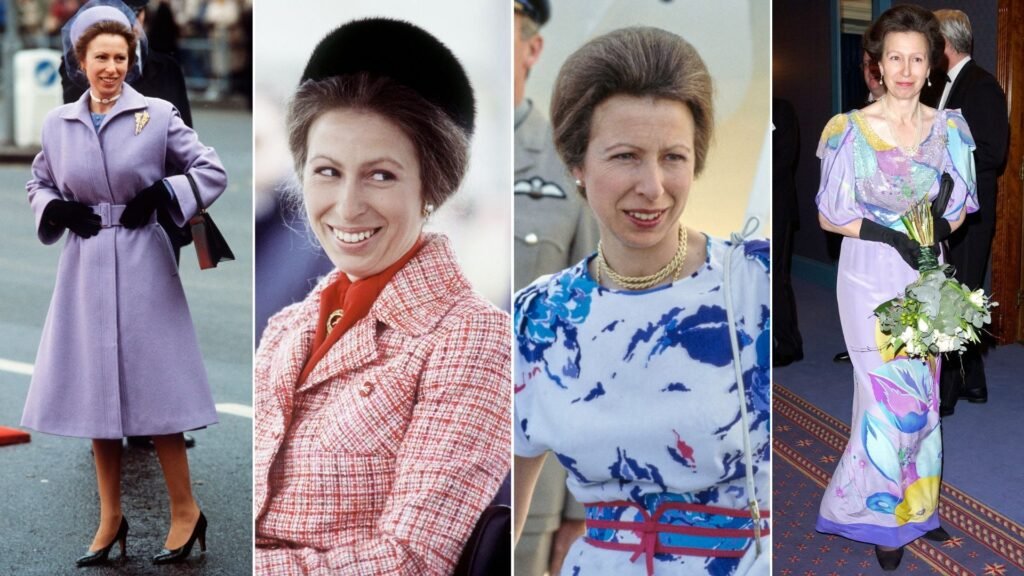
Living at Gatcombe Park with her second husband, Sir Timothy Laurence, Princess Anne embraces a hands-on lifestyle that keeps the estate buzzing with activity. The farm’s operations include breeding and raising livestock, which not only supports the local economy but also helps cover the substantial Princess Anne running costs.
Equestrian events are a highlight, with Anne often participating in horse riding, a sport she’s championed throughout her life. The estate’s organic farming methods require meticulous planning, from crop rotation to animal welfare, all while navigating the financial implications of such eco-friendly choices.
Beyond farming, Gatcombe Park serves as a hub for community engagement. The public events hosted there bring in revenue through ticket sales and sponsorships, directly contributing to offsetting the Princess Anne running costs.
However, as Anne noted, these gatherings come with challenges, like maintaining cleanliness and preventing contamination that could jeopardize the farm’s status. Her blunt honesty about these issues paints a picture of royal life grounded in reality, where luxury is balanced by hard work and fiscal responsibility. This approach has kept Gatcombe Park thriving for decades, proving that even a £6m property must adapt to economic pressures.
Family Ties: A Multi-Generational Royal Haven
Gatcombe Park isn’t just Princess Anne’s home it’s a family sanctuary. Her daughter, Zara Tindall, lives on the estate at Aston Farm with her husband, Mike Tindall, and their three children: Mia (12), Lena (7), and Lucas (4). This close-knit arrangement allows for shared responsibilities and a supportive environment, but it also means coordinating efforts to manage the overall Princess Anne running costs. Zara, an accomplished equestrian like her mother, often joins in farm activities, blending family bonding with practical estate management.
The presence of grandchildren adds a joyful element to life at Gatcombe, with the kids enjoying the vast outdoors and learning about rural living. Yet, this family dynamic doesn’t eliminate the financial hurdles; instead, it reinforces the need for collective effort to handle the Princess Anne running costs.
Princess Anne’s role as a matriarch extends to guiding the next generation on sustainability and self-reliance, ensuring the estate remains a legacy for years to come. Stories from the family highlight how these shared experiences strengthen bonds while addressing the economic demands of such a large property.
Princess Anne’s Practical Skills
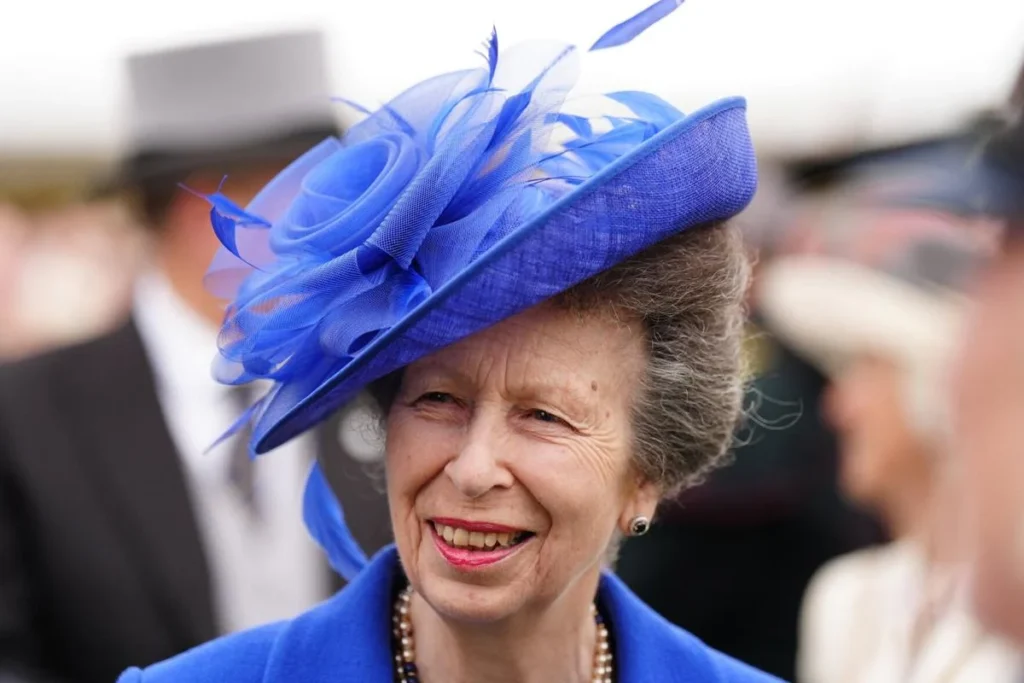
One of the most intriguing aspects of Princess Anne’s life is her array of practical skills, which directly tie into managing the Princess Anne running costs. At just 24 years old in 1974, she obtained a Heavy Goods Vehicle (HGV) license, a move born out of necessity. In a 1985 BBC interview with Terry Wogan, she explained: “Out of necessity, I qualified as a heavy goods vehicle driver, on the basis that if one didn’t have a farm to work on or there was no other alternative, both my husband and I have heavy goods vehicle licenses.” She added that her license is an HGV three, while her then-husband’s was an HGV one, noting the demand for skilled horse box drivers.
This qualification reflects her forward-thinking attitude toward self-sufficiency, especially in the context of estate management. Driving large vehicles for transporting animals or equipment helps cut down on outsourcing costs, directly impacting the Princess Anne running costs positively. Her hands-on involvement in farming and equestrian activities further demonstrates a royal who isn’t afraid to get her hands dirty, setting an example for efficiency and cost-effectiveness in running a high-value property like Gatcombe Park.
Challenges and Future Outlook for Gatcombe Park
Maintaining a historic estate like Gatcombe Park in today’s world comes with evolving challenges, from climate change affecting agriculture to fluctuating market prices for farm produce. Princess Anne’s comments on the Princess Anne running costs highlight these issues, urging a proactive approach to sustainability.
As energy bills rise and environmental regulations tighten, estates like hers must innovate to stay afloat. Her emphasis on organic farming positions Gatcombe as a model for eco-conscious royal properties, but it also underscores the ongoing battle to balance tradition with modern economics.
Looking ahead, Princess Anne’s legacy at Gatcombe Park will likely inspire future generations of royals to adopt similar pragmatic strategies. Her blunt honesty about financial realities demystifies the monarchy, showing that even behind grand facades, careful planning is key. As global conversations around sustainability grow, her insights into Princess Anne running costs remain relevant, offering lessons on resilience and adaptation.
A Royal Lesson in Practicality
Princess Anne’s unearthed comments on the running costs of her £6m home reveal a side of royalty that’s refreshingly real and relatable. By turning Gatcombe Park into a self-sustaining farm and embracing practical skills, she exemplifies how to manage substantial expenses without compromising on heritage. These revelations about Princess Anne running costs not only humanize her but also provide valuable insights for anyone interested in estate management or royal history. At Bol News Lifestyle, we celebrate such stories that blend tradition with everyday wisdom, reminding us that even princesses must make ends meet.