
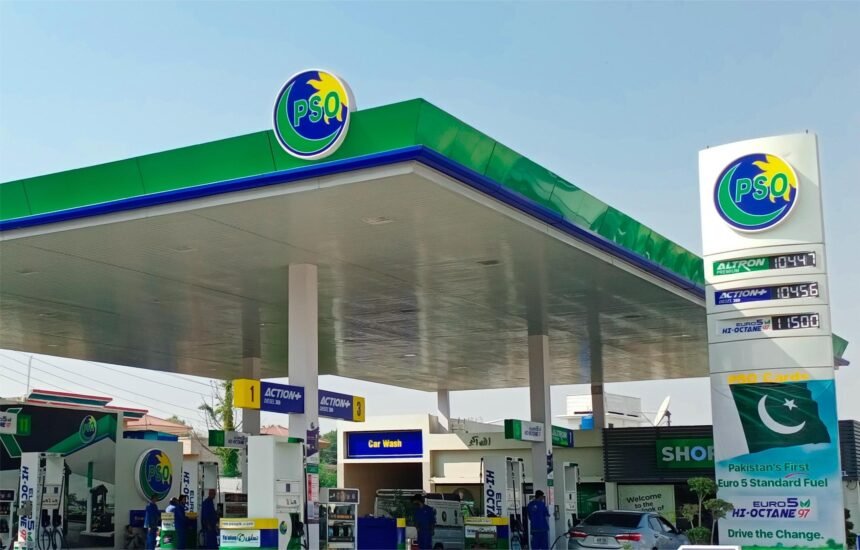

Amid rising geopolitical tensions across the world and continued volatility in international oil markets, the government is reportedly reviewing the existing mechanism used to determine fuel prices in the country. According to media reports, authorities are evaluating a new strategy under the weekly Petroleum Price Review framework that could significantly change how petrol and diesel prices are adjusted.
Currently, petroleum product prices in Pakistan are revised every 15 days. However, officials believe that this system may not be flexible enough to respond to rapid fluctuations in global oil markets. As a result, policymakers are considering a proposal to introduce a weekly price adjustment system, which would allow fuel prices to better reflect international market trends.
Sources familiar with the development indicate that the Ministry of Energy has already prepared a comprehensive working paper regarding the proposed Weekly Petroleum Price Review mechanism. The document reportedly outlines potential benefits of shifting to a weekly pricing model, including faster market response and improved transparency in fuel price determination.
Weekly Petroleum Price Review Mechanism
The proposal has also been presented to the Prime Minister during a high-level briefing. Officials explained that global energy markets are currently experiencing uncertainty due to geopolitical developments, supply disruptions, and changing demand patterns. These factors often cause sudden changes in crude oil prices, making it challenging for countries with fixed or semi-fixed review systems to maintain accurate domestic pricing.
Under the proposed weekly Petroleum Price Review plan, petrol and diesel prices could be updated every week instead of the existing fortnightly system. Experts believe that such a shift would help authorities adjust prices more efficiently in response to global fluctuations. If international oil prices increase sharply, local adjustments could be made quickly to prevent financial losses for the government. Similarly, if global prices fall, consumers could benefit from faster relief.
Economic analysts also suggest that a weekly pricing mechanism may help reduce the risk of sudden price shocks for consumers. Instead of large price adjustments every two weeks, smaller and more gradual changes could occur each week. This approach may provide greater predictability for businesses, transport operators, and households that rely heavily on petroleum products.
Sources further reveal that the Prime Minister will make a final decision regarding the weekly Petroleum Price Review proposal after consultations with key members of the government’s economic team. The finance ministry, petroleum division, and other relevant departments are expected to evaluate the economic implications of the proposed shift before the policy is finalized.
In addition to reviewing the pricing mechanism, the government has also strengthened monitoring measures to prevent potential disruptions in fuel supply. Authorities are concerned that uncertainty in global markets could encourage hoarding or artificial shortages of petroleum products in the domestic market.
To address these concerns, regulatory bodies and law enforcement agencies have been instructed to closely monitor fuel supply chains across the country. Officials are tasked with ensuring that petrol pumps maintain adequate stock levels and that no illegal profiteering takes place during periods of price volatility.
The enhanced oversight measures are part of a broader strategy linked to the weekly Petroleum Price Review initiative. By maintaining strict monitoring of fuel supplies and market practices, the government aims to ensure stability in the petroleum sector while protecting consumers from unfair practices.
Energy experts note that many countries around the world regularly revise fuel pricing mechanisms to keep pace with changing global conditions. A more dynamic system, such as weekly reviews, may allow Pakistan to maintain closer alignment with international oil prices while ensuring that the domestic market remains stable and transparent.
If the geopolitical situation continues to put pressure on global energy markets, policymakers may accelerate the implementation of the proposed weekly Petroleum Price Review system. Such a move could help the government respond more quickly to global developments while maintaining balance in the local fuel market.
Overall, the potential shift toward weekly price adjustments reflects the government’s effort to modernize the fuel pricing framework. With global oil markets becoming increasingly unpredictable, a flexible pricing mechanism could play an important role in protecting both the national economy and consumers from sudden market shocks.