

In a timely response to the escalating fuel crisis in Pakistan, former Punjab transport minister Ibrahim Murad has put forward an innovative fuel card system aimed at supporting students. The core of this plan, dubbed Punjab Students Get 10 Liters Fuel, involves allocating a monthly quota of subsidized petrol to eligible students, helping them navigate the challenges of high transportation costs.
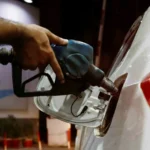
Under the Punjab Students Get 10 Liters Fuel initiative, each student would receive 10 liters of petrol at reduced rates, directly addressing the financial strain caused by recent price surges. Murad emphasized that this measure could offer immediate relief, particularly for those relying on motorcycles for daily commutes to educational institutions.
With Punjab boasting around 17 million registered motorcycles, the Punjab Students Get 10 Liters Fuel program could reach a vast number of young commuters, making education more accessible during tough economic times.
The estimated cost for rolling out the Punjab Students Get 10 Liters of Fuel scheme is approximately Rs. 10 billion per month, a figure Murad believes is justifiable given the widespread benefits. He suggested starting with a limited three-month trial to test the system’s effectiveness, allowing for adjustments based on real-world feedback.
This approach ensures that the Punjab Students Get 10 Liters Fuel effort remains practical and targeted, focusing on periods when fuel prices are at their peak.
Murad’s proposal for Punjab Students Get 10 Liters Fuel comes at a critical juncture, following the federal government’s announcement of a sharp Rs55 per liter increase in petrol and diesel prices. As reported by BOL News Pakistan, the new petrol price stands at Rs321.17 per liter, effective from March 7, 2026, up from Rs266.17, while diesel is now Rs335.86 per liter.
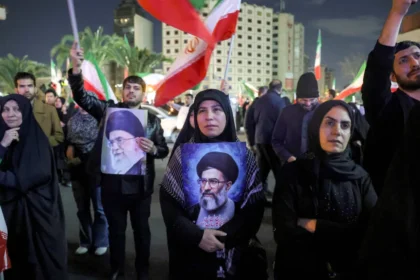
This 17% hike, attributed to geopolitical tensions including the Iran War turmoil, has amplified living costs for millions, hitting students especially hard as they balance studies with rising expenses.
By implementing the Punjab Students Get 10 Liters Fuel system, the government could alleviate some of this pressure, fostering a more supportive environment for education. Murad highlighted that such subsidies have been successful in other regions for vulnerable groups, and adapting them for Punjab’s students could set a precedent for nationwide relief programs.
The Punjab Students Get 10 Liters Fuel plan not only reduces economic burdens but also promotes sustainable mobility, encouraging students to continue their pursuits without the added worry of fuel affordability.
As discussions around the Punjab Students Get 10 Liters Fuel proposal gain momentum, stakeholders are urged to consider its long-term impacts. With fuel prices showing no signs of immediate decline, initiatives like Punjab Students Get 10 Liters Fuel could become essential tools in safeguarding the future of Pakistan’s youth.
According to insights from BOL News Pakistan, similar relief measures in the past have helped stabilize communities during economic volatility, underscoring the potential value of this student-focused strategy.