
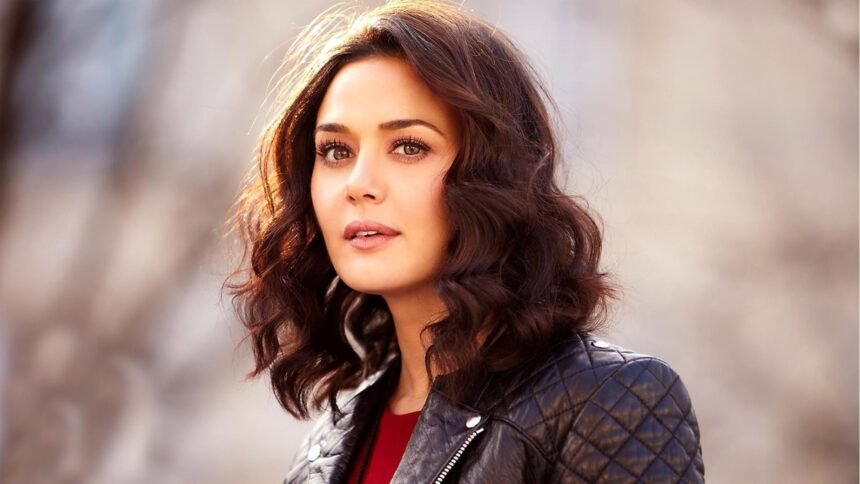

Preity Zinta has taken a strong legal stand against the misuse of her identity online, and the Preity Zinta deepfake video controversy is now one of the most talked-about legal battles in the entertainment industry. The actress has approached the Bombay High Court seeking the removal of AI-generated deepfake videos, morphed images, and other unauthorised digital content that features her likeness without her consent.
This move comes at a time when the misuse of artificial intelligence to create fake content of public figures has become a growing concern, and Preity Zinta has decided to take a firm step to protect her image and dignity.
The Preity Zinta deepfake video case was heard by a single-judge bench of Justice Madhav Jamdar at the Bombay High Court. During the hearing, the court did not pass any interim order on the merits of the case at this stage, but it directed all parties involved, including the online platforms named in the suit, to work out a proper mechanism for taking down the objectionable material. This means that instead of rushing into an order, the court wants a practical and workable solution that removes the harmful content without affecting legitimate content that exists online.
In her civil suit, Preity Zinta has named several major intermediaries as respondents, including Google and Meta, along with domain name registrars and identified individuals who are allegedly behind the creation of this fake content. The Preity Zinta deepfake video plea highlights multiple instances where her images, videos, and even chatbot-style interactions have been generated using artificial intelligence and circulated widely across social media and other online platforms, all without her knowledge or approval.
Senior advocate Venkatesh Dhond, who is representing Preity Zinta in this matter, told the court that the quality and realism of these deepfakes have been improving rapidly, which makes them more convincing and therefore more dangerous. He requested urgent directions from the court, asking the platforms to immediately remove the infringing content that has been identified in the suit papers. He also sought a wider injunction that would stop such content from being created or published in the future, which shows how serious the actress is about putting an end to this issue once and for all.
The counsel representing Google and Meta informed the court that they had no objection to removing the specific URLs identified by Preity Zinta that contain morphed, deepfake, or otherwise obscene material. However, they opposed any blanket direction that would require them to proactively monitor or remove content beyond what has already been pointed out in the case. This is an important point in the Preity Zinta deepfake video case because it shows the difference between targeted removal of known harmful content and a broader responsibility that platforms are often reluctant to take on.
A domain name registrar that was also made a party in the case submitted that its role is limited only to registering domain names and that it does not have any control over the actual content hosted on third-party websites or social media platforms. This response reflects how complicated it can be to hold every party accountable in cases involving online content, especially when different companies handle different parts of the internet ecosystem.
Justice Madhav Jamdar observed that any relief granted in the Preity Zinta deepfake video matter must be carefully balanced so that objectionable material is removed while legitimate and lawful content remains untouched. This is a fair approach because it protects the actress from harmful misuse of her image while also making sure that innocent content creators and platforms are not unfairly targeted.
The court has now fixed July 6 as the next date of hearing in this case, and it is expected to pass orders on the proposed takedown mechanism at that time. Many people following the Preity Zinta deepfake video case are curious to see what kind of protocol the court will approve, since this could set an important example for how similar cases are handled in the future. If the court passes a clear and effective order, it could become a useful reference point for other public figures who are facing similar problems with AI-generated content.
This case also comes at a time when several other celebrities in Bollywood have raised similar concerns about deepfakes and unauthorised AI content. The growing number of such cases shows that this is not just a personal issue for Preity Zinta but a wider problem affecting many public figures. As artificial intelligence tools become more advanced and easily available, the risk of misuse also increases, which makes legal protection even more important.
The Preity Zinta deepfake video case is a reminder of how technology can be misused to harm someone’s reputation and personal identity. It also shows that celebrities are no longer staying silent about such misuse and are willing to take legal action to protect themselves. For fans and followers who have been keeping up with this story through BOL News Entertainment, the upcoming hearing on July 6 will be an important moment to watch, as it may bring more clarity on how the Bombay High Court plans to address the growing menace of deepfakes.
As the case moves forward, it is likely that the outcome of the Preity Zinta deepfake video lawsuit will be closely watched by legal experts, technology companies, and other celebrities who may be facing similar challenges. The final order from the court could also influence how platforms like Google and Meta handle similar complaints in the future, making this case an important one not just for Preity Zinta but for the wider conversation around AI misuse and personal rights online.