

KEY POINTS:
- US President Donald Trump announced Saturday, August 1, 2026, that he is canceling planned military attacks on Iran.
- Trump said Iran and other Middle Eastern countries requested the pause because “the perimeters of a deal” had been agreed to.
- The cancellation is conditional: Trump said it applies “subject to being able to make a DEAL rapidly”
- Israel has also agreed to join the US in holding off on strikes, according to Trump.
- Saudi Crown Prince Mohammed bin Salman spoke with Trump on Saturday and raised concerns about the strike plans, per CNN sources.
- Iranian Foreign Minister Abbas Araghchi warned of a “decisive response” to any further US or Israeli “aggression.”
- The proposed deal reportedly includes full reopening of the Strait of Hormuz and an end to Iran’s nuclear threat.
- The US State Department has renewed travel warnings for Americans in the Middle East.
US President Donald Trump announced on Saturday, August 1, 2026, that he is canceling planned military attacks on Iran after Tehran and several other Middle Eastern countries requested a pause to finalize a deal. The announcement came just a day after US officials had signaled that strikes against Iran could begin as early as this weekend.
Trump said the decision followed direct outreach from Iran and regional powers, and that Israel had also agreed to join the pause. The move marks the latest turn in an escalating US-Iran conflict that has repeatedly swung between diplomacy and military threats in recent months.
What did Trump say about the attacks on Iran?
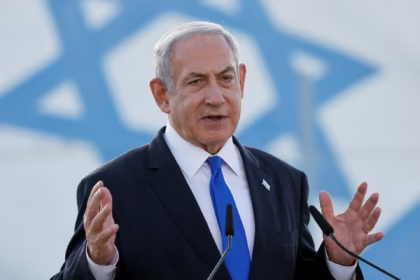
In a post on Truth Social, Trump wrote that the United States had agreed to “cancel the attack” on Iran after signaling that a peace deal to end the war could be imminent. He said Iran and other Middle Eastern countries had asked Washington to hold off any attack because “the perimeters” of a deal had been agreed to, though he did not immediately specify all the terms.
Trump made clear the cancellation was not unconditional. He said the US would hold off on new strikes against Iran “subject to being able to make a DEAL rapidly,” urging “everybody” to “get to work” and “get it DONE.” He added that Israel had agreed to join him in that commitment.
Why did Trump call off the strikes?
The cancellation followed high-level regional diplomacy. Trump reportedly spoke by phone with Saudi Crown Prince Mohammed bin Salman on Saturday, who cautioned against a large-scale strike on Iran, according to CNN sources. Other regional powers including Qatar, the United Arab Emirates, Turkey and Pakistan had also pressed both the US and Iran to de-escalate.
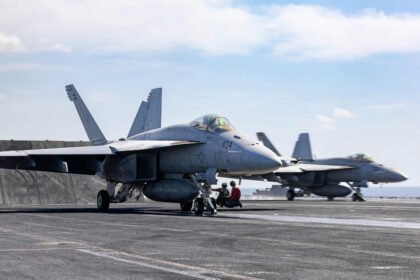
Trump’s earlier rhetoric had been far more aggressive. He had posted that “The U.S.A. is locked and loaded and ready to go against the Islamic Republic of Iran, at levels of Military Terror, Strength, and Power not seen since World War II,” before adding that Iran and other Middle Eastern countries had asked the US to hold off given the outlines of a deal.
According to Axios, Trump had been weighing whether to strike areas affecting core elements of Iran’s power grid and infrastructure. Axios also reported that an attack on Iran’s infrastructure and energy sites would have marked a major escalation in a war Trump has repeatedly paused for negotiations, only to resume strikes when diplomacy stalled.
What would the proposed Iran deal include?
Per Trump’s own account, the emerging framework centers on two major elements. He wrote that the deal would include the “Immediate, Complete, and Total OPENING OF THE HORMUZ STRAIT, and an end to Iran’s nuclear threat.” The Strait of Hormuz is a critical global oil-shipping chokepoint, and its status has been a central flashpoint throughout the conflict.
How has Iran responded?
Iran has not signaled unconditional acceptance. Iranian Foreign Minister Abbas Araghchi warned that Iran would respond forcefully to any further American “aggression,” in calls with regional counterparts. Al Jazeera reported the move comes after Iran’s top diplomat warned of a “decisive response” to any US-Israeli “aggression.”
Tensions on the ground remain elevated. Kuwaiti authorities reported Iranian drone attacks early Saturday, and Kuwaiti infrastructure and US military facilities in the country have previously been targeted in Iranian attacks.
What is the US State Department warning Americans about?
The State Department has issued a fresh travel warning to Americans in the Middle East, advising them to consider departing the region now. The warning reflects continued volatility despite the announced pause in strikes.
Has Trump paused Iran strikes before?
This is not the first time Trump has halted planned action against Iran only to threaten renewed strikes later. In late March 2026, Trump said he was pausing attacks on Iran’s energy plants for 10 days at what he described as Tehran’s request, writing on Truth Social that he was “pausing the period of Energy Plant destruction by 10 Days” while talks with Iran were “going very well.”
Even earlier, in March 2026, Trump directed a temporary postponement of planned strikes on Iranian energy targets, citing preliminary talks between Washington and Tehran, while Iranian state media said Tehran had rejected the prospect of direct dialogue. That pattern of pause-and-resume underscores why analysts are treating the latest cancellation as conditional rather than final.
What happens next?
The cancellation hinges entirely on whether a formal deal materializes quickly. Trump has set no public deadline, but his language demanding negotiators “get it DONE” suggests he expects rapid progress. Whether Iran, Israel, and the US can convert this framework into a binding agreement, particularly on Strait of Hormuz access and Iran’s nuclear program, will determine whether the region moves toward de-escalation or back toward military confrontation.