

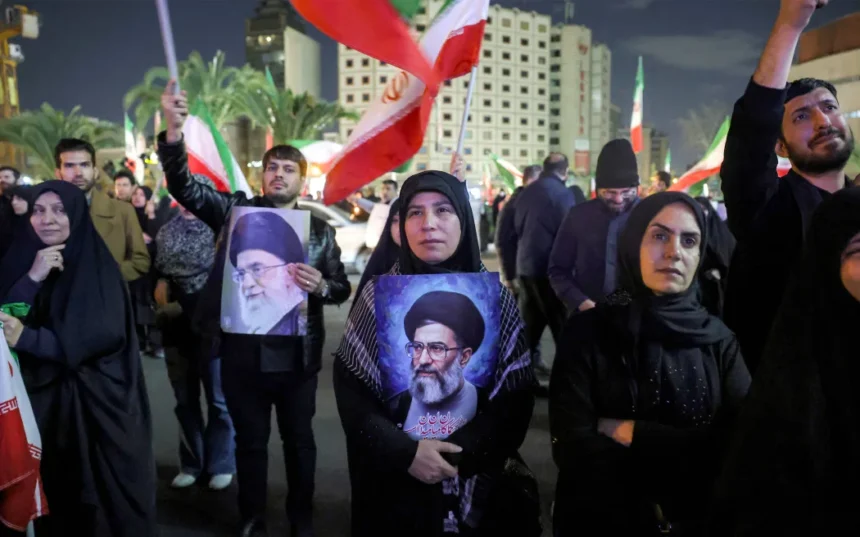

The US-Israel attack on Ayatollah Khamenei has become one of the most dramatic developments in Middle Eastern geopolitics. Contrary to expectations of a covert nighttime operation, the strike reportedly took place in broad daylight, catching observers and analysts off guard. The timing, intelligence coordination, and scale of the assault have raised serious questions about Iran’s internal security and the evolving tactics of the United States and Israel.
According to reports cited by BOL News Pakistan, the operation was based on highly sensitive intelligence and was executed swiftly without waiting for darkness. This bold approach underlines the seriousness of the situation and signals a new phase in regional conflict.
Why the Attack Happened in Broad Daylight
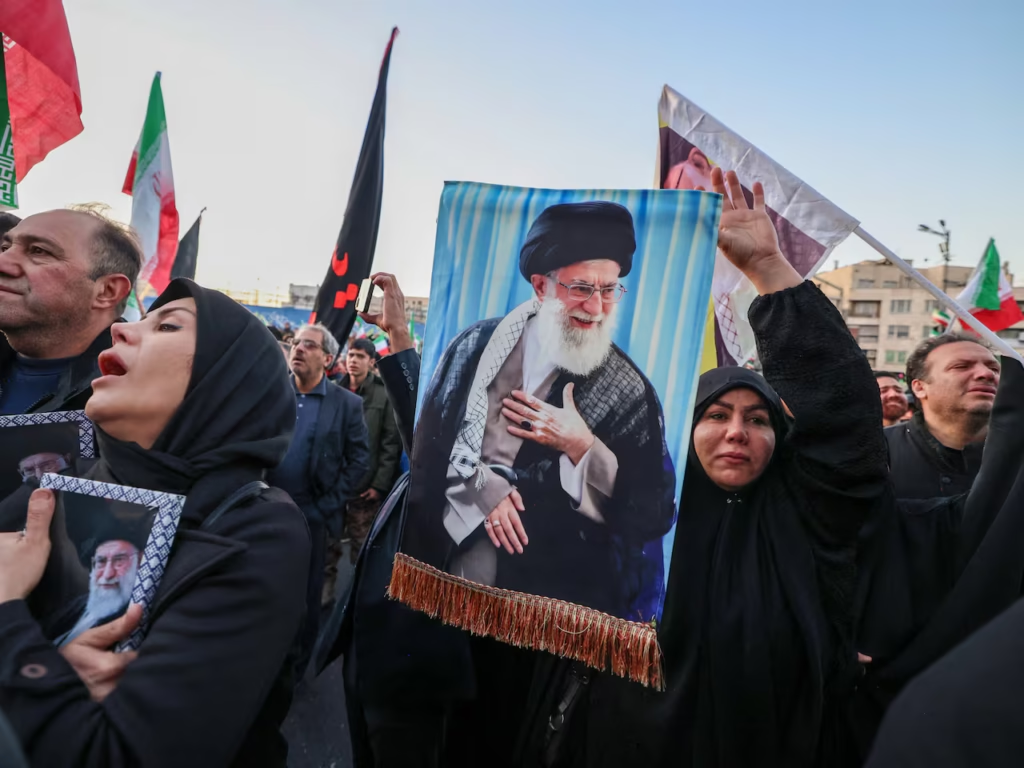
One of the most surprising aspects of the US-Israel attack on Ayatollah Khamenei was its timing. Military analysts often assume high-profile assassinations or strategic strikes occur under the cover of night. However, this operation reportedly took place in the morning light.
The reason was critical intelligence received just hours earlier. American and Israeli agencies allegedly obtained real-time information confirming that Supreme Leader Ali Khamenei would be present at a compound in central Tehran on Saturday morning. The urgency of the intelligence led to an immediate decision to strike, rather than waiting and risking a missed opportunity.
Months of Surveillance and Monitoring
The US-Israel attack on Ayatollah Khamenei was not a spontaneous action. Reports indicate that both nations had been monitoring the movements of Iran’s top leadership for several months. The long-term surveillance allegedly included technical tracking systems and possibly human intelligence sources within Iran.
During the 12-day Iran-Israel conflict last year, Israeli intelligence reportedly accessed telecommunications networks to monitor key officials. This approach helped map routines, identify weak security windows, and predict high-level meetings.
Former US President Donald Trump hinted at such monitoring in a social media post, claiming that Khamenei had failed to evade advanced tracking systems. While details remain classified, the sophistication of the intelligence suggests a coordinated CIA-Israeli intelligence effort.
Coordinated US and Israeli Roles
Reports suggest a clear division of responsibilities. The intelligence regarding the Supreme Leader’s presence reportedly came from the Central Intelligence Agency (CIA), while Israel was tasked with carrying out the strike.
Israeli airpower played a critical role in the US-Israel attack on Ayatollah Khamenei, with fighter jets allegedly launching missiles capable of striking from significant distances. Although the exact launch location remains unclear, it is believed the jets could have taken up to two hours to reach Iranian airspace.
This coordinated strategy reflects a broader pattern in recent operations, where the US focuses on strategic and military assets, while Israel targets high-level leadership figures.
The Scale of the Strike in Tehran
According to available reports, around 9:40 a.m., Israeli jets dropped approximately 30 bombs on the compound in Tehran. The purpose of using such a large number of bombs was reportedly to penetrate underground bunkers where Khamenei was believed to be sheltering.
The US-Israel attack on Ayatollah Khamenei was not limited to a single location. Other sites were reportedly targeted, including areas connected to Iranian leadership. Iranian President Masoud Pezeshkian later confirmed he survived attacks on his office.
Iranian authorities have confirmed the deaths of several senior defense officials, including:
- Ali Shamkhani
- Aziz Nasirzadeh
- Mohammad Pakpour
These losses have intensified concerns over Iran’s internal security and intelligence preparedness.
Security Failures and Intelligence Gaps
Iran was fully aware that its Supreme Leader was a high-value target. However, the US-Israel attack on Ayatollah Khamenei exposes possible weaknesses in Iranian counterintelligence systems.
Experts believe long-term tracking of bodyguards, telecom signals, and meeting schedules allowed foreign intelligence agencies to detect moments of vulnerability. The failure to identify and eliminate these weak points suggests a serious lapse in operational security.
Iran may have assumed that a daylight strike was unlikely, creating a false sense of security. This miscalculation may have contributed to the success of the operation.
Trump Monitoring from Mar-a-Lago
When the strikes occurred in Tehran, it was nighttime in Florida. Reports suggest that Trump was monitoring developments closely from Mar-a-Lago.
US and Israeli officials reportedly understood that confirming Khamenei’s fate could take hours. Such operations often involve uncertainty until intelligence assessments verify results.
Broader Strategic Objectives
The US-Israel attack on Ayatollah Khamenei appears to be part of a broader campaign rather than a standalone operation. Analysts suggest that the strike may have been intended to weaken Iran’s leadership structure and disrupt command chains.
Iran, anticipating such risks, reportedly had succession plans in place for both the Supreme Leader and other senior officials. This preparedness means the long-term political impact of the attack remains uncertain.
If the assassination attempt was unsuccessful or its outcome remains unconfirmed, the regional conflict could escalate further. Retaliatory measures from Iran or its allied groups cannot be ruled out.
Regional and Global Implications
The US-Israel attack on Ayatollah Khamenei could significantly reshape Middle East geopolitics. It risks escalating tensions not only between Iran and Israel but also between Iran and the United States.
Global markets, particularly oil prices, are sensitive to instability in the region. Diplomatic relations between world powers may also shift, depending on how the situation unfolds.
As reported by BOL News Pakistan, the coming days will be critical in determining whether this event triggers full-scale escalation or leads to back-channel negotiations.
Morning Strike on Khamenei
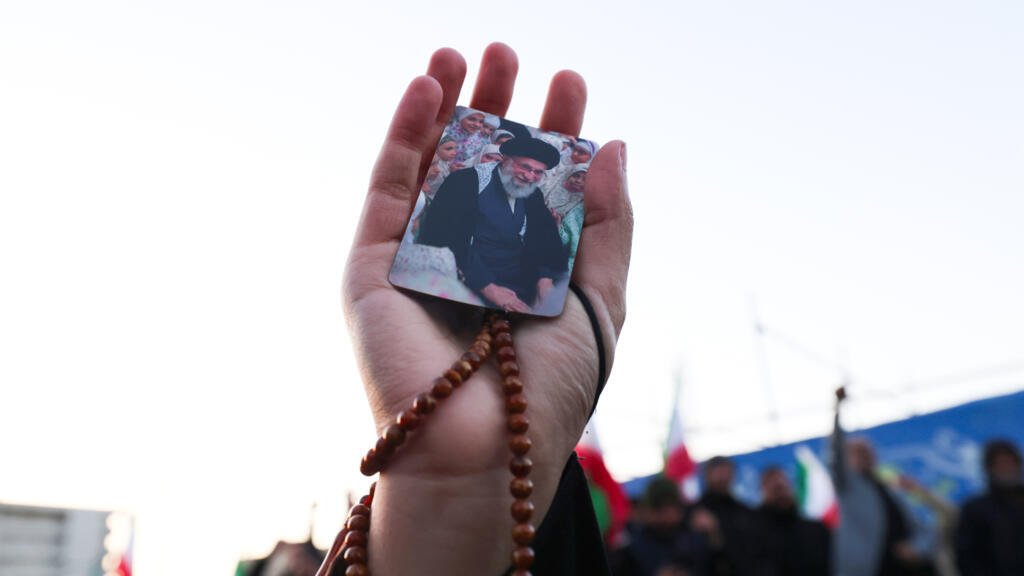
The US-Israel attack on Ayatollah Khamenei marks a dramatic moment in regional history. Conducted in daylight based on urgent intelligence, the operation highlights advanced surveillance capabilities and potential security failures within Iran.
While the immediate consequences are still unfolding, the strike underscores the volatility of Middle Eastern politics. Whether it leads to wider war or diplomatic recalibration remains to be seen, but one thing is certain: the geopolitical landscape has shifted significantly.
For continued updates and in-depth analysis, follow trusted news platforms such as BOL News Pakistan as the story develops.