


In the rapidly evolving landscape of artificial intelligence, the OpenAI Pentagon deal has emerged as a pivotal moment, blending cutting-edge technology with the demands of national defense. This agreement, signed in February, allows OpenAI’s advanced AI models to be integrated into the U.S. military’s operations, raising profound questions about ethics, oversight, and the role of AI in warfare. As debates intensify, one senior executive’s departure highlights the internal tensions surrounding this landmark partnership.
The OpenAI Pentagon deal represents a strategic shift for both the AI startup and the Department of Defense. Under the leadership of CEO Sam Altman, OpenAI has positioned itself as a key player in enhancing America’s technological edge. However, this collaboration has not been without controversy. Critics argue that deploying AI in defense scenarios could blur the lines between innovation and potential misuse, particularly in areas like surveillance and autonomous decision-making.
The Catalyst: Caitlin Kalinowski’s Departure from OpenAI
At the heart of the recent uproar is Caitlin Kalinowski, who until recently led OpenAI’s robotics division. In a candid social media post on X, Kalinowski announced her exit, directly attributing it to the OpenAI Pentagon deal. She described the decision as challenging, emphasizing that while AI holds significant promise for national security, certain boundaries must not be crossed without thorough deliberation.
Kalinowski’s concerns center on two critical issues: the surveillance of American citizens without judicial oversight and the implementation of lethal autonomy in weapons systems without human authorization. “This was about principle, not people,” she stated, underscoring her belief that the OpenAI Pentagon deal was executed hastily, lacking the necessary safeguards to prevent ethical lapses. Her departure underscores a growing divide within the AI community about how far companies should go in supporting military applications.
Expanding on this, Kalinowski highlighted governance as the primary issue. In her view, announcements and deals of this magnitude require meticulous planning and public discourse. The OpenAI Pentagon deal, she argued, bypassed these steps, potentially setting a dangerous precedent for how AI technologies are rolled out in sensitive sectors. This perspective resonates with broader ethical discussions in tech, where rapid innovation often outpaces regulatory frameworks.
Background on the OpenAI Pentagon Deal and Its Formation
To understand the full scope of the OpenAI Pentagon deal, it’s essential to revisit its origins. Negotiated amid escalating geopolitical tensions, the agreement enables the Pentagon to leverage OpenAI’s AI capabilities across various defense apparatuses. This includes everything from data analysis and predictive modeling to enhancing decision-making processes in real-time scenarios.
The deal came to fruition during a period of friction with rival AI firm Anthropic. Led by CEO Dario Amodei, Anthropic had imposed strict limitations on its technology, prohibiting its use in mass surveillance of U.S. citizens or in military strikes without human intervention. These restrictions created an impasse with the Defense Department, leading to decisive action from the White House.
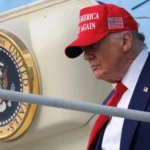
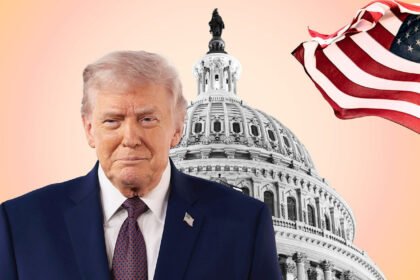
In late February, President Donald Trump issued a directive mandating all federal agencies to discontinue the use of Anthropic’s technology. Shortly thereafter, the Pentagon classified Anthropic as a “supply chain risk”—a designation typically applied to entities with potential foreign influences or security vulnerabilities. This move effectively cleared the path for the OpenAI Pentagon deal, positioning OpenAI as the preferred partner for AI integration in defense.
Sam Altman, OpenAI’s CEO, has defended the OpenAI Pentagon deal by asserting that it includes robust protections. According to Altman, the agreement explicitly bars the use of OpenAI’s tech for domestic surveillance or autonomous weapons systems. These “red lines” are intended to ensure responsible deployment, aligning AI advancements with ethical standards.
However, Kalinowski countered this narrative, claiming the deal’s announcement was “rushed without the guardrails defined.” She pointed out that while protections were mentioned, their implementation details remained vague, raising doubts about enforceability. This disagreement illustrates the challenges in balancing innovation with accountability in high-stakes partnerships like the OpenAI Pentagon deal.
OpenAI’s Official Response and Commitment to Ethical AI
In response to Kalinowski’s departure and the ensuing public scrutiny, OpenAI issued a statement confirming her exit while reaffirming its stance on the OpenAI Pentagon deal. The company described the agreement as a “workable path for responsible national security uses of AI,” emphasizing its prohibitions against domestic surveillance and autonomous weaponry.
OpenAI further committed to ongoing dialogues with stakeholders, including employees, government officials, civil society groups, and global communities. “We recognize that people have strong views about these issues,” the statement read, signaling an openness to feedback amid the controversy. This approach aims to mitigate internal and external criticisms, fostering a more collaborative environment for addressing AI ethics.
Despite these assurances, the OpenAI Pentagon deal continues to fuel debates. Proponents argue that AI can revolutionize defense strategies, improving efficiency and reducing human risk in operations.
For instance, AI-powered analytics could enhance threat detection, logistics planning, and even cybersecurity defenses. Yet, skeptics like Kalinowski warn that without stringent oversight, such integrations could lead to unintended consequences, including privacy erosions or escalations in conflict.
Anthropic’s Stance and the Broader AI Industry
The OpenAI Pentagon deal stands in stark contrast to Anthropic’s principled restrictions, highlighting divergent philosophies within the AI sector. Anthropic’s policies, which prioritize human oversight and prohibit surveillance applications, reflect a cautious approach to military AI. This led to their fallout with the Pentagon, culminating in the supply chain risk label and the shift toward OpenAI.
This rivalry underscores a larger trend: AI companies are increasingly navigating the intersection of commercial interests and national security. While OpenAI embraces collaboration with defense entities, Anthropic’s model appeals to those wary of overreach. The OpenAI Pentagon deal thus serves as a case study in how such partnerships can reshape industry dynamics, potentially influencing future regulations and standards.
Moreover, the timing of these events adds another layer of intrigue. Just one day after cutting ties with Anthropic, the U.S., in coordination with Israel, initiated a military operation against Iran.
Reports indicate that AI tools possibly including those from OpenAI played a role in the strikes, though no confirmed instances of autonomous AI strikes without human input have surfaced. This development has amplified questions about AI’s wartime applications, including governance, accountability, and the ethical boundaries companies must uphold.
Ethical Implications and Future Outlook for AI in Defense
The OpenAI Pentagon deal has ignited a fever pitch of discussions on the role of AI in modern warfare. Key concerns include who sets the rules for AI deployment, how to ensure compliance with international laws, and the potential for AI to exacerbate conflicts. Ethicists argue that technologies capable of lethal decisions must incorporate fail-safes, such as mandatory human-in-the-loop systems, to prevent tragedies.
Looking ahead, the OpenAI Pentagon deal could pave the way for more integrated AI-defense collaborations, but only if ethical frameworks evolve accordingly. Policymakers may push for clearer guidelines, perhaps through legislation mandating transparency in AI military uses. Meanwhile, companies like OpenAI face the challenge of maintaining public trust while pursuing ambitious goals.
In Kalinowski’s words, these issues demand “more deliberation than they got.” Her exit serves as a reminder that principles matter, even in the face of strategic imperatives. As the AI landscape continues to transform, the OpenAI Pentagon deal will likely remain a benchmark for evaluating the balance between innovation and responsibility.
In conclusion, the OpenAI Pentagon deal encapsulates the dual-edged nature of AI: a tool for progress that carries inherent risks. By addressing these challenges head-on, stakeholders can harness AI’s potential while safeguarding core values. As debates unfold, the tech community and policymakers must collaborate to shape a future where AI serves humanity without compromising ethics.