

World: The recent Bangladesh general election results have reshaped the nation’s political landscape, marking a significant shift in power dynamics. With the Bangladesh Election Commission announcing outcomes for the majority of constituencies, the focus has turned to the formation of a new government and the implications for governance.
This election, held amid high stakes and public anticipation, not only determined parliamentary representation but also included a pivotal national referendum on constitutional changes. As Bangladesh navigates this transition, understanding the detailed Bangladesh general election results provides insight into the country’s democratic evolution and the priorities of its electorate.
Overview of Seat Wins and Alliance Performance
In the Bangladesh general election results, the BNP-JI alliance emerged as the clear frontrunner, securing a commanding 212 seats out of the 297 declared constituencies. This victory underscores the alliance’s strong appeal among voters, reflecting widespread support for their platform. Allies within the coalition contributed an additional 77 seats, bolstering their overall majority. Notably, the youth-oriented National Citizen Party claimed 6 of these seats, highlighting the growing influence of younger demographics in Bangladeshi politics.
Individually, the Bangladesh Nationalist Party (BNP) dominated with 209 seats, demonstrating its organizational strength and grassroots mobilization. Meanwhile, Jamaat-e-Islami captured 68 seats, adding a layer of ideological diversity to the alliance. These Bangladesh general election results signal a unified front capable of addressing national challenges, from economic recovery to social reforms, while maintaining a balance between progressive and traditional elements.
Voter Turnout and Administrative Challenges
Voter participation in the Bangladesh general election reached an impressive level, exceeding 60% across the nation. This high turnout reflects the public’s engagement with the democratic process, driven by campaigns that emphasized transparency and accountability. However, the process was not without hurdles.
The Election Commission postponed results in two constituencies located in Chattogram due to allegations of irregularities, including claims of rigging and administrative lapses. Such measures ensure the integrity of the Bangladesh general election results, as investigations proceed to verify the validity of the votes cast.
Additionally, one constituency’s election was deferred earlier owing to the unfortunate death of a candidate, reducing the total contested seats to 299 out of 300. These incidents, while isolated, emphasize the need for robust electoral safeguards to maintain public trust in future polls.
Political Reactions and Government Formation Plans
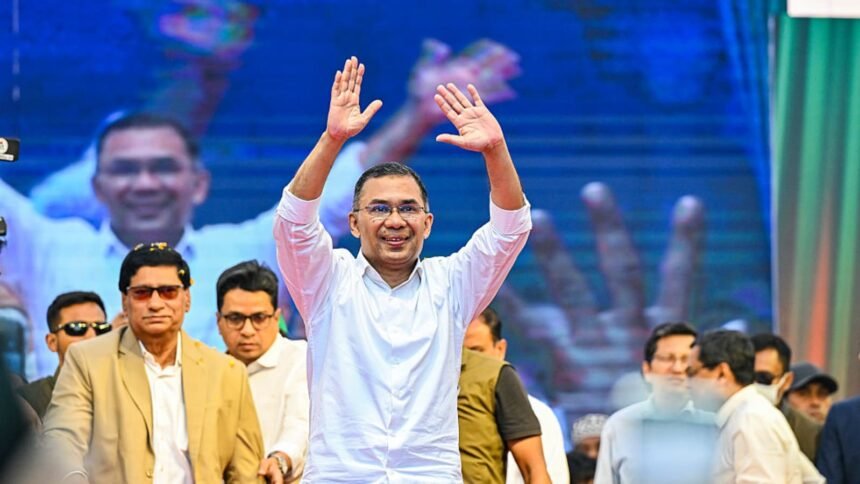
Following the announcement of the Bangladesh general election results, BNP chief Tariq Rehman swiftly declared intentions to form a government in collaboration with alliance partners. Emphasizing unity, he stated that the administration would include those who spearheaded the movement for change, fostering a sense of continuity and shared vision. In a call for restraint, Rehman urged party workers to prioritize public order over celebratory rallies or special events, positioning stability as the cornerstone of the new regime.
This approach aims to mitigate potential unrest and focus on immediate governance priorities. On the other side, Jamaat-e-Islami Bangladesh conceded the outcomes gracefully, with Ameer Shafiqur-ur-Rehman addressing supporters to advocate for constructive opposition. He pledged that the party would not engage in obstructive tactics but instead pursue policies benefiting the populace.
The final stance, he noted, would be determined post-official confirmation, yet it would remain positive and forward-looking. Adding to the alliance dynamics, National Citizen Party Convener Nahid Islam announced a commitment to align with Jamaat-e-Islami, potentially strengthening their joint influence in parliamentary proceedings.
Insights into the National Referendum
Conducted simultaneously with the general elections, the national referendum in Bangladesh garnered significant attention as part of the broader Bangladesh general election results. An overwhelming 72.9% of voters approved the proposed reforms, while 27.1% opposed them, indicating strong public endorsement for systemic changes.
The referendum posed a straightforward yes-or-no question on approximately 30 reforms, encompassing four major constitutional amendments designed to modernize the governance framework. This participatory exercise allowed citizens to voice their opinions on critical issues, reinforcing the democratic ethos of the nation.
The high approval rate suggests a collective desire for progressive updates, which could pave the way for more inclusive decision-making processes in Bangladesh’s political system.
Key Proposed Constitutional Reforms
At the heart of the referendum tied to the Bangladesh general election results were ambitious proposals aimed at enhancing institutional robustness. Among the highlights is the creation of new constitutional bodies to oversee checks and balances, ensuring greater accountability across government branches.
Another pivotal change involves transforming the parliament into a bicameral structure, with an upper house that would provide additional scrutiny on legislation. Crucially, the reforms stipulate that no constitutional amendments can proceed without the upper house’s approval, safeguarding against hasty or unilateral alterations.
These measures, if implemented, could fortify Bangladesh’s democracy by distributing power more evenly and incorporating diverse perspectives. Local media reports have highlighted how these changes address long-standing concerns about centralization, potentially leading to more stable and representative governance in the years ahead.
The Voting Process and Nationwide Participation
The Bangladesh general election results were the culmination of a meticulously organized voting day that commenced at 6:30 AM Pakistan Standard Time and concluded at 3:30 PM. Over 127.6 million eligible voters participated, exercising their franchise in 299 constituencies nationwide.
This massive turnout underscores the vibrancy of Bangladesh’s electoral system, where citizens from urban centers to rural areas contributed to shaping the nation’s future. Security arrangements and logistical support facilitated a largely smooth process, despite the challenges in select areas. The integration of the referendum added an extra layer of engagement, allowing voters to influence not just representation but also foundational reforms.
As the country reflects on these Bangladesh general election results, the emphasis on high participation bodes well for sustained democratic involvement, encouraging ongoing dialogue between the government and its people.