

The Bill Gates India AI Impact Summit took a surprising turn when the Microsoft co-founder and philanthropist abruptly canceled his much-anticipated keynote address in New Delhi. Scheduled as one of the headline speakers at this prestigious gathering, Bill Gates’ decision came just hours before he was set to take the stage, sending ripples through the international tech and policy community. Organizers and attendees alike were left adjusting to the change at an event already positioning India as a rising force in artificial intelligence on the world stage.
The Gates Foundation, the charitable organization founded by Bill Gates and his former wife, issued a concise statement explaining the withdrawal.
According to the foundation, the decision followed careful consideration to keep the spotlight firmly on the summit’s core priorities rather than any external distractions. No additional reasons were elaborated in the official release, leaving room for speculation while emphasizing the event’s importance in advancing AI for global good. This move marked a notable shift, especially since the foundation had only days earlier dismissed rumors suggesting Gates might not attend and had confirmed his participation.
The timing of the cancellation has drawn particular attention because it coincides with the resurfacing of documents from the U.S. Department of Justice. These recently released emails have brought renewed focus to past communications involving Jeffrey Epstein and staff from the Gates Foundation. Bill Gates has long maintained that any interactions with Epstein were strictly limited to philanthropic discussions and that meeting the late financier was a mistake.
A spokesperson for Gates has firmly stated that there is no truth to any allegations of wrongdoing and that he is not involved in any illegal activity. The foundation continues to stress that its work remains centered on health, education, and development initiatives worldwide, unaffected by such matters.
Gates Foundation’s Commitment to India Remains Strong
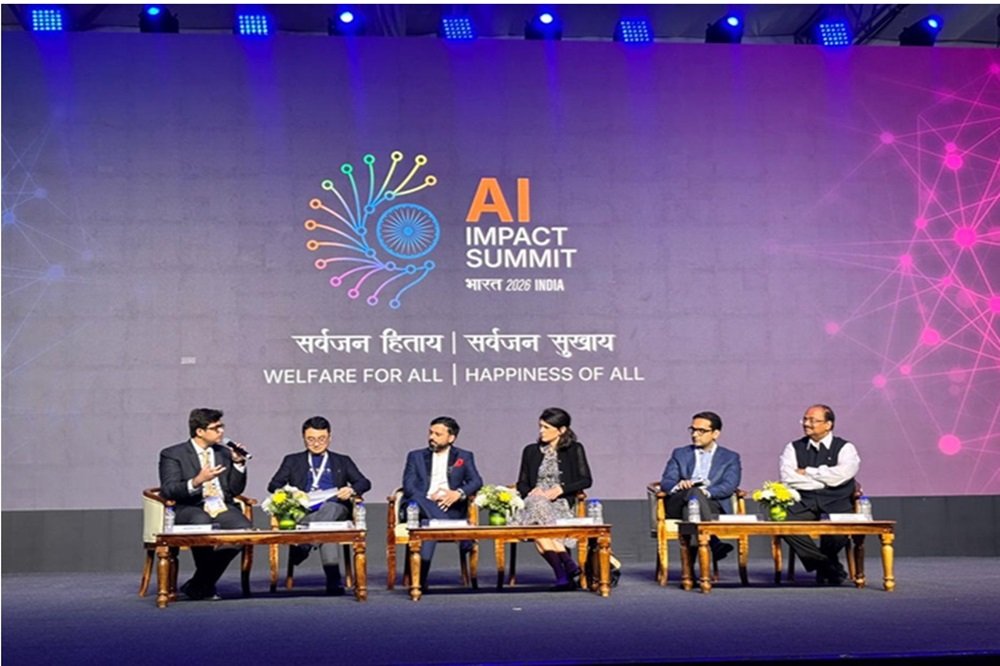
In Gates’ place, the foundation was represented by Ankur Vora, its Chief Strategy Officer and President of the Africa and India offices. Vora, who has deep roots in India and extensive experience in economics, strategy, and global development, delivered remarks that underscored the organization’s unwavering dedication to the country. With a background that includes a Bachelor of Engineering in Computer Science and a Master’s in Economics from BITS Pilani, followed by a PhD from the University of Chicago and roles at Goldman Sachs, Boston Consulting Group, and leading development foundations, Vora brings a unique blend of technical expertise and on-the-ground impact leadership.
During his address at the Bill Gates India AI Impact Summit, Vora highlighted ongoing collaborations in health and education, and now in AI-driven solutions for sustainable development. He reaffirmed the foundation’s focus on leveraging technology to address pressing challenges across India and the broader Global South. His presence ensured continuity, sending a clear message that the philanthropic mission continues uninterrupted despite the high-profile change in the program.
Inside the India AI Impact Summit
The India AI Impact Summit is a six-day powerhouse event in New Delhi, widely regarded as the first major AI forum hosted in the Global South. Bringing together representatives from over 100 countries, the summit has attracted top-tier leaders, including Indian Prime Minister Narendra Modi and French President Emmanuel Macron, who both delivered powerful addresses.
Modi emphasized the need to make artificial intelligence accessible to everyone while stressing vigilance on children’s safety in digital spaces. He famously urged, “Design and develop in India. Deliver to the world,” framing the country’s role as a bridge between advanced economies and emerging markets.
Macron echoed similar sentiments, calling for inclusive AI governance that benefits all nations. The gathering also featured heavyweights from the tech industry, such as Google CEO Sundar Pichai, OpenAI CEO Sam Altman, who noted that 100 million people in India now use ChatGPT weekly, and Anthropic CEO Dario Amodei.
These sessions have spotlighted breakthroughs in AI infrastructure, with major announcements including over $200 billion in investment pledges for India’s AI ecosystem, notably a $110 billion plan from Reliance Industries and a strategic partnership between Tata Group and OpenAI.
India is using this platform to cement its status as a global AI hub, showcasing its talent pool, innovation ecosystem, and a policy framework for responsible AI development. The Bill Gates India AI Impact Summit has highlighted how AI can drive progress in healthcare diagnostics, education personalization, agricultural efficiency, and climate resilience areas where the Gates Foundation has long been active in India through vaccine programs, sanitation initiatives, and digital learning tools.
Organizational Challenges Add to the Summit’s Early Headlines
Despite the impressive lineup and ambitious goals, the summit has not been without hurdles in its opening days. Attendees have reported significant administrative and logistical issues, including long queues for entry, traffic disruptions caused by VIP movements in a city of over 20 million people, and confusion over schedules.
The Indian government issued an apology for the inconvenience, acknowledging the challenges of hosting such a large-scale international event. Opposition parties have criticized the management, while participants on social media have expressed frustration over restricted access and last-minute changes.
Additional controversies, such as a “robot row” involving a university stall and questions over exhibition access, have added to the narrative of early-day teething problems. These issues have been widely discussed, yet the focus has remained on AI’s transformative potential rather than its logistical setbacks.
Broader Implications for Philanthropy, AI, and India’s Global Role
The withdrawal of Bill Gates from the India AI Impact Summit comes at a pivotal moment for global conversations on technology ethics, philanthropy, and international cooperation. Gates’ foundation has invested heavily in India for decades, supporting programs that have improved millions of lives through better nutrition, maternal health, and now AI applications for social impact. His absence, while disappointing for many fans and followers, has not diminished the event’s momentum, thanks in large part to strong leadership from figures like Ankur Vora.
As the summit continues, it reinforces India’s growing influence in shaping AI policies that prioritize equity and inclusion. With commitments from global leaders and substantial investments flowing in, the event is already being hailed as a milestone in the country’s journey toward becoming a leader in responsible artificial intelligence.
The cancellation of the Bill Gates India AI Impact Summit may have dominated initial headlines. Still, the real story lies in the forward-looking collaborations emerging from New Delhi that promise to benefit people across the developing world.
In the end, this high-profile gathering underscores how AI is not just a technological revolution but a tool for human progress, one that requires careful stewardship, diverse voices, and a steadfast focus on priorities that matter most to societies worldwide. The Gates Foundation’s continued engagement, led by leaders like Ankur Vora, ensures that philanthropic expertise remains part of this important dialogue.