

Pakistan has taken a major step toward modernizing pilgrimage management by launching a comprehensive digital Hajj system designed to simplify and streamline the entire Hajj process. The initiative is a joint effort between the Ministry of Religious Affairs and the Ministry of Information Technology, aimed at improving transparency, efficiency, and convenience for Pakistani pilgrims. The new system will transform traditional paper-based procedures into a fully automated digital platform, making Hajj arrangements easier and more reliable.
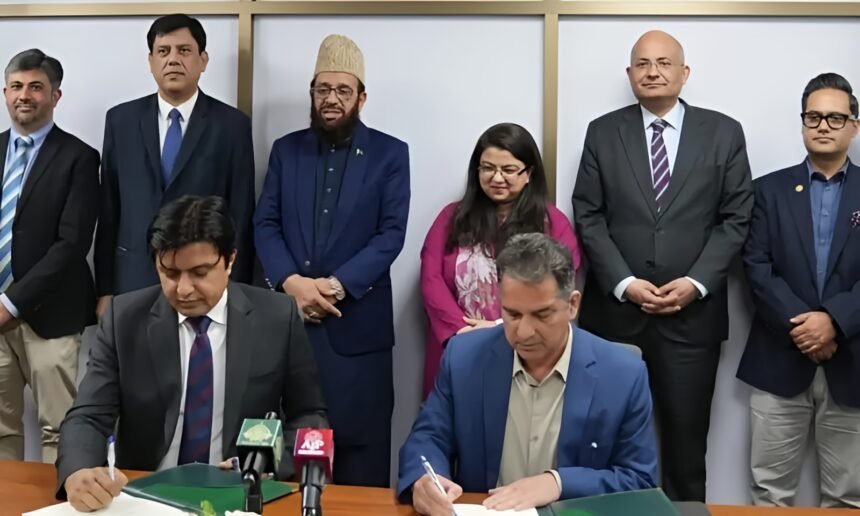
The memorandum of understanding (MoU) for the digital Hajj system was signed on February 24 in Islamabad during an official ceremony attended by senior government representatives. Federal Minister for Religious Affairs and Interfaith Harmony, Sardar Muhammad Yousaf, and Federal Minister for IT and Telecommunication, Shaza Fatima Khawaja, were present at the event.
Religious Affairs Secretary Dr. Sajid Mahmood Chauhan and IT Secretary Zarrar Hasham Khan also attended. At the same time, Haj Joint Secretary Muhammad Bakhsh Sangi and National IT Board Director General Dr. Khalid Rafiq signed the agreement on behalf of their respective departments.
The newly introduced digital Hajj system will manage every stage of the pilgrimage journey, starting from online registration and application submission to document verification, travel arrangements, accommodation planning, and the safe return of pilgrims to Pakistan. By digitizing these processes, the government aims to eliminate unnecessary delays and reduce the possibility of human error. The modern platform will ensure that each step follows standardized procedures and remains transparent for applicants.
Officials explained that the digital Haj system will replace manual paperwork with automated verification and data processing. This transformation is expected to speed up application processing while significantly improving accuracy. Pilgrims will be able to track their application status online, making the process more convenient and stress-free. The system will also provide clear guidelines and timely updates, ensuring that pilgrims remain informed throughout their journey.
According to Minister Sardar Muhammad Yousaf, the development of the digital Hajj system aligns with the Prime Minister’s vision to promote digital governance in Pakistan. He emphasized that the project aims to create a modern, integrated, and user-friendly environment where pilgrims can complete all Hajj-related procedures without facing unnecessary difficulties. The minister noted that digitalization would improve service delivery and better manage pilgrimage operations.
Minister Shaza Fatima Khawaja highlighted that the digital Hajj system will include a dedicated online portal along with an upgraded Pak Haj mobile application. These platforms will allow pilgrims to access services from their homes, reducing the need to visit government offices. Through the mobile application, pilgrims will receive real-time notifications, travel information, and important instructions. The system will also provide guidance and support to ensure a smooth pilgrimage experience.
According to the BOL News sources, another important feature of the digital Hajj system is improved coordination among various government departments and service providers involved in Hajj operations. The integrated platform will allow different agencies to share information efficiently, helping to avoid duplication of work and administrative delays. This coordinated approach will make the overall Hajj management process more organized and effective.
Government officials believe that the digital Hajj system will significantly enhance the experience of Pakistani pilgrims by providing faster services and improved transparency. The use of modern technology will help build trust among applicants and ensure that all procedures are handled fairly. The initiative is also expected to set a new benchmark for Hajj management in Pakistan.
In the long term, the digital Hajj system is expected to evolve further with additional features and technological improvements. Authorities hope that this digital transformation will not only simplify Hajj arrangements but also serve as a model for future government projects aimed at improving public services through technology. The introduction of this system marks an important milestone in Pakistan’s journey toward digital governance and better service delivery for its citizens.