
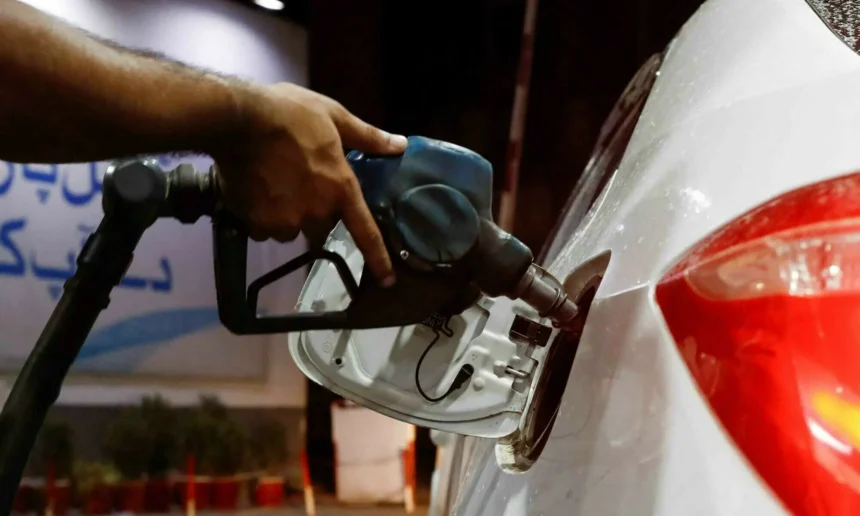

Petroleum prices in Pakistan have gone up once more, and if you filled your tank this week, you probably already noticed the difference at the pump. The government raised petrol by Rs1.63 per litre and high-speed diesel by Rs1.55 per litre, effective from Wednesday, July 29. It is a small number on paper, but for a household already stretched thin by transport costs, groceries, and utility bills, every rupee matters.
I have been tracking petroleum prices in Pakistan for years, watching how each notification from the Petroleum Division ripples through daily life, from rickshaw fares to the price of vegetables at the local mandi. This latest adjustment fits a pattern we have seen since early March, and understanding that pattern helps you plan better, whether you drive a bike, run a transport business, or want to know why your grocery bill keeps climbing.
What Actually Changed This Time
Following the revision, petrol now retails at Rs335.81 per litre, while HSD costs Rs388.38 per litre. That is an increase of Rs1.63 on petrol and Rs1.55 on diesel, a relatively modest bump compared to some of the swings we saw earlier this year.
The government continues to collect Rs110 per litre in taxes and duties on petrol and Rs96 per litre on diesel. That tax component is worth remembering, because it means a good chunk of what you pay at the pump has nothing to do with the international cost of crude oil. It reflects domestic policy choices around revenue collection.
The Petroleum Division’s notification made clear that these new petroleum prices in Pakistan would apply starting July 29, a Wednesday, which itself is notable given the shift toward more frequent price reviews.
Why Petroleum Prices in Pakistan Keep Moving
This increase did not happen in isolation. The official reasoning points to fluctuating global oil prices following renewed hostilities in the Persian Gulf earlier this month. Anyone who follows energy markets knows that Gulf tensions almost always translate into higher crude prices, and Pakistan, which imports the bulk of its petroleum needs, feels that impact quickly.
To put this in perspective, diesel had climbed to a peak of Rs520.35 per litre on April 3, after starting its climb from Rs281 per litre once the US-Iran war broke out on February 28. Petrol followed a similar path, peaking at Rs458.41 on April 3 after rising from Rs266 in the first week of March.
So while this week’s Rs1.63 and Rs1.55 increases sting, they are actually far smaller than the jumps Pakistani consumers absorbed just a few months ago. That context matters. If you are budgeting for fuel costs, it helps to know whether you are looking at a minor correction or the start of another sharp climb.
A Bigger Shift: Daily Pricing Instead of Weekly
Perhaps the most important development buried in this news is not the rupee figure itself but the mechanism behind it. Petroleum Minister Ali Pervaiz Malik had earlier announced that fuel prices would now be fixed on a daily basis rather than the fortnightly or monthly cycles Pakistanis were used to for years.
This decision came in response to the renewed hostilities between Iran and the US, which have made global oil markets far more volatile than usual. The cabinet and the prime minister decided to hand the Oil and Gas Regulatory Authority, or Ogra, the responsibility of adjusting fuel prices daily based on international market trends.
Before this shift, the government had been announcing weekly revisions since early March, alongside conservation measures aimed at managing possible supply disruptions from the ongoing Middle East conflict. In April, the federal government also introduced targeted relief measures to provide subsidised fuel to certain segments of the population.
Daily revisions in petroleum prices in Pakistan mean consumers, transporters, and businesses now need to check prices far more frequently than before. It is a significant departure from how fuel pricing has traditionally worked in the country, and it changes how people should plan fuel purchases and business budgets.
Not Everyone Is Happy About Daily Pricing
The All Pakistan Dealers Association has pushed back against this daily pricing model, and reports indicate the association is considering a protest plan in the coming days. Petrol pump dealers often argue that frequent price changes complicate inventory management and create friction with customers who may not understand why prices shift so often.
From a practical standpoint, this pushback is worth watching. If dealers do organise a protest or disruption, it could affect fuel availability in some areas, even temporarily. Anyone planning a long drive or relying on diesel for business operations should keep an eye on local news for updates.
Who Feels the Pinch Most
Petrol is mainly used in private transport, small vehicles, rickshaws, and two-wheelers. That means changes in petroleum prices in Pakistan disproportionately affect the middle class and lower middle class, the very groups least equipped to absorb sudden cost increases.
Diesel, on the other hand, powers the heavy transport sector, power plants, and large generators. When HSD prices rise, the effect spreads much further than the individual driver. Trucking costs go up, which eventually shows up in the price of everything transported by road, from wheat flour to construction material. Power generation costs can also rise where diesel generators are used to supplement grid electricity, particularly during load shedding.
Together, petrol and high-speed diesel are the government’s major revenue earners from fuel, with combined monthly sales running between 700,000 and 800,000 tonnes. Compare that to kerosene, which sees only about 10,000 tonnes in monthly demand, and you get a sense of just how central petrol and diesel are to Pakistan’s economy and its tax base.
Practical Tips for Managing Rising Fuel Costs
Having watched these cycles for a long time, a few practical habits genuinely help households and small businesses cope with rising petroleum prices in Pakistan.
First, if you commute daily, consider carpooling or combining errands into fewer trips. It sounds basic, but it adds up over a month, especially with prices now changing so frequently.
Second, transporters and logistics businesses should build a small buffer into pricing contracts to account for daily fuel fluctuations, rather than locking in rates based on last month’s numbers.
Third, keep an eye on official Petroleum Division notifications rather than relying on rumours or social media estimates. With daily revisions now in effect, prices can shift before word spreads informally, and acting on outdated information can cost you.
Finally, if you use a diesel generator regularly, track your fuel consumption and compare it against grid electricity costs periodically. With HSD prices moving daily, the economics of running a generator versus relying on grid power can change faster than before.
The Bigger Picture
According to the BOLNews report, this latest adjustment in petroleum prices in Pakistan, a modest Rs1.63 rise for petrol and Rs1.55 for diesel, is best understood as part of a larger story about global instability and how it filters down to ordinary consumers. The shift to daily pricing reflects just how unpredictable international oil markets have become amid the ongoing tensions in the Persian Gulf.
For now, prices remain well below the peaks recorded in early April, which offers some relief. But with dealers pushing back against the new pricing structure and the regional conflict still unresolved, further changes in petroleum prices in Pakistan seem likely in the weeks ahead. Staying informed, adjusting habits where possible, and watching official notifications closely remain the most sensible ways to navigate what has become a genuinely fluid situation.