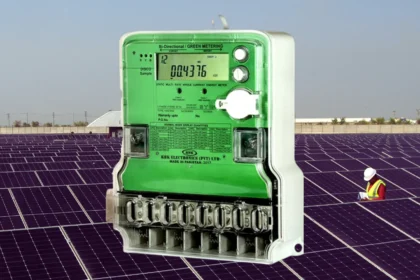


The Nepra net metering new regulations 2026 have introduced major changes to Pakistan’s solar energy landscape, significantly affecting how electricity is sold to the National Grid. The National Electric Power Regulatory Authority (Nepra) has officially issued a notification outlining revised policies that reduce the buyback rates for new solar consumers while maintaining older rates for existing users. These changes are expected to reshape the financial dynamics of rooftop solar investments and net metering across the country.
Nepra Net Metering New Regulations 2026
Under the updated framework, consumers who had already installed solar systems under previous agreements will continue to sell surplus electricity to the National Grid at the earlier approved rate of Rs 25.32 per unit. However, the Nepra net metering new regulations 2026 bring a substantial reduction for new consumers.
The revised buyback rate has been cut by Rs 17.19 per unit, meaning new solar users will now receive Rs 8.13 per unit for electricity exported to the grid. This sharp decline represents a significant shift in policy, potentially impacting the return on investment for households and businesses planning to install rooftop solar systems.
In addition to the reduced tariff, Nepra has introduced a new net billing mechanism that applies to both existing and new consumers. Previously, net metering allowed a one-to-one adjustment, where the electricity units supplied to the grid were offset equally against the units consumed from the grid.
Under the new system, this parity no longer exists. Instead, electricity consumed from the National Grid will be charged strictly according to the government-approved tariff schedule, while exported units will be compensated at the revised buyback rates. This structural change under the Nepra net metering new regulations 2026 aims to standardize billing practices but may reduce financial incentives for surplus generation.
Another key amendment is the reduction in the license period for new net metering consumers. Previously set at seven years, the license validity has now been shortened to five years. This adjustment means new applicants will need to renew their licenses sooner, adding another layer of regulatory oversight. Energy analysts suggest that this move could allow authorities to reassess policies more frequently in response to evolving market conditions and grid stability concerns.
According to data from the Power Planning and Monitoring Company (PPMC), Pakistan currently has approximately 7,000 megawatts (MW) of installed net metering solar capacity connected to the grid. This figure reflects the rapid growth of rooftop solar installations in recent years, driven by rising electricity costs and frequent power shortages.
Furthermore, estimates indicate that between 13,000 and 14,000 MW of consumers are generating electricity through off-grid solar systems, highlighting the strong nationwide shift toward renewable energy solutions.
The Nepra net metering new regulations 2026 come at a time when Pakistan is actively seeking to balance energy affordability with grid sustainability. While the reduced buyback rate for new consumers may slow the pace of fresh solar installations, policymakers argue that the changes are necessary to manage the financial burden on distribution companies and ensure long-term grid stability. Critics, however, believe that lowering incentives could discourage investment in renewable energy and impact the country’s clean energy targets.
Overall, the revised regulations mark a turning point for Pakistan’s solar sector. Existing consumers will retain their previously agreed benefits, but new entrants must carefully evaluate the financial viability of solar installations under the updated compensation structure.
As the energy market continues to evolve, the Nepra net metering new regulations 2026 will play a crucial role in shaping the future of renewable energy adoption and electricity pricing in the country.