
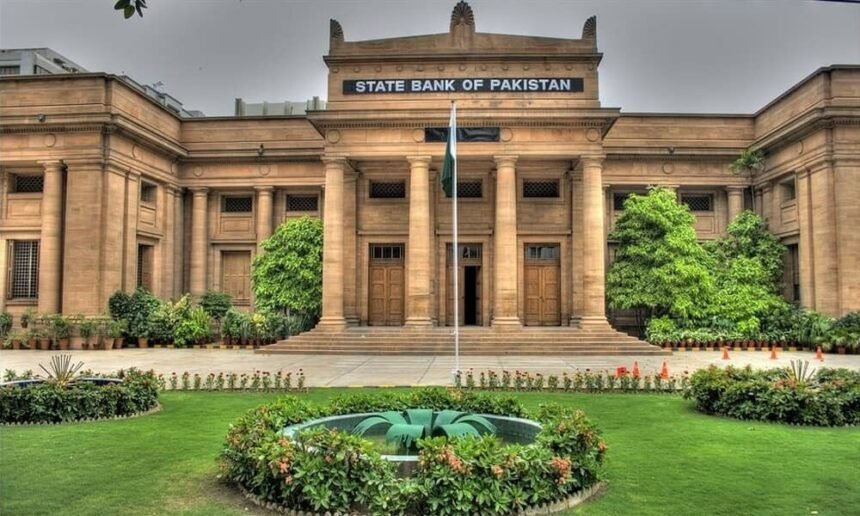

Business: Pakistan’s economy showed signs of resilience in early 2026 as it recorded a notable current account surplus of $121 million in January, according to the latest data released by the State Bank of Pakistan (SBP). This marked a significant improvement from the deficit of $265 million observed in December 2025, reversing a recent downward trend and highlighting strengthening external sector dynamics every month.
The shift to a current account surplus in January 2026 was primarily driven by robust inflows from workers’ remittances and a rebound in export performance. Remittances from overseas Pakistanis reached approximately $3.46 billion to $3.5 billion during the month, reflecting a strong year-on-year growth of around 15.4% compared to January 2025 levels.
These inflows, often boosted by seasonal factors and the Pakistani diaspora’s continued support, played a crucial role in bolstering the balance of payments. Additionally, exports demonstrated recovery, crossing the $3 billion mark in some reports, with improvements in goods and services exports contributing to the positive outcome.
Despite the encouraging monthly figure, the current account performance over the broader fiscal year period remains challenging. For the first seven months of FY26 (July 2025 to January 2026), Pakistan posted a cumulative deficit of $1.07 billion, a stark contrast to the surplus of $560 million (or around $564 million in some data) recorded during the same period in the previous fiscal year.
This yearly deterioration stems largely from a widening trade deficit, where imports have grown faster than exports due to rising domestic demand, easing import restrictions, and higher costs for essential commodities.
Several factors explain the mixed outlook for Pakistan’s current account. On the positive side, sustained remittance growth cumulatively reaching about $23.2 billion in the July-January period, up 11.3% from the prior year, continues to provide a vital buffer against external pressures. Services exports, particularly in IT and technology sectors, have also shown momentum, helping offset some of the goods trade imbalance.
However, the persistent rise in imports, which increased notably over the seven months, has kept the overall current account in deficit territory. Analysts note that while short-term improvements like the January current account surplus signal easing pressures and potential for reserve accumulation, long-term stability will depend on structural reforms to boost export competitiveness and manage import dependency.
This development aligns with broader efforts to stabilize the economy under ongoing programs, including those supported by international financial institutions. The State Bank of Pakistan’s foreign exchange reserves have benefited from such inflows, showing gradual improvement.
Maintaining prudent macroeconomic policies, enhancing export diversification, and controlling non-essential imports will be key to sustaining any gains in the current account and achieving a more balanced external position throughout the fiscal year.
Overall, the January 2026 current account surplus offers a glimmer of optimism amid ongoing challenges, underscoring the importance of remittances and export recovery in supporting Pakistan’s economic recovery.