
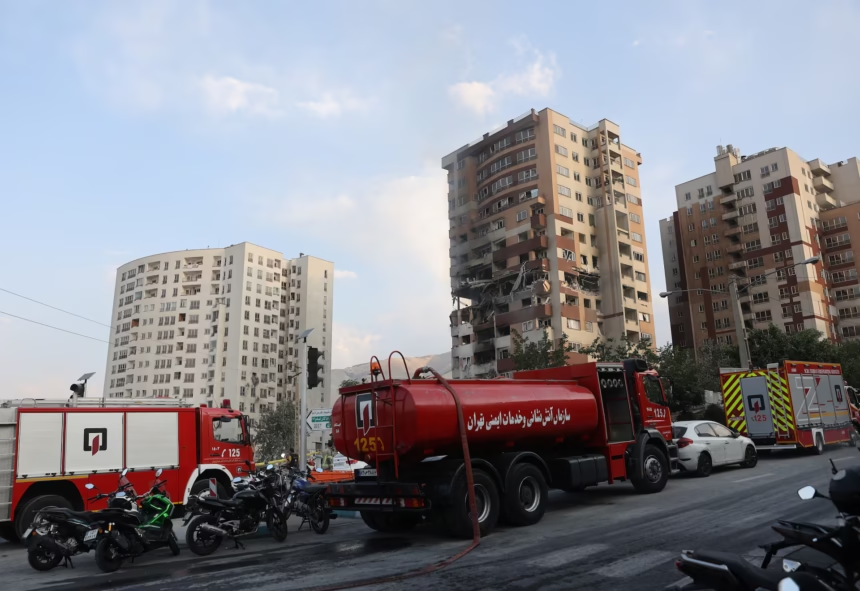

The Israeli airstrike on Tehran has triggered serious tensions across the Middle East, with reports of powerful explosions in the Iranian capital and emergency sirens sounding across several areas. According to international media reports, the attack has increased fears of a wider regional conflict involving multiple countries.
Initial reports indicate that several explosions were heard in Tehran late at night, prompting Iranian authorities to activate emergency response systems. The Israeli airstrike on Tehran is being described as a major military development with potentially significant political and security consequences.
Joint Operation with the United States
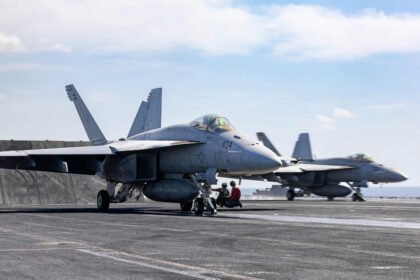
According to statements attributed to Israeli defense officials, the Israeli airstrike on Tehran was reportedly conducted in coordination with the United States. Officials claim that the operation had been planned for several months, with the final decision made weeks before the strike.
The attacks were described as preemptive military action intended to reduce what Israeli officials called an immediate security threat from Iran.
Sources suggested that coordinated operations could continue for several days, indicating that the Israeli airstrike on Tehran may be part of a broader military campaign. If confirmed, this joint operation would mark a major escalation in relations between Iran and Western allies in the region.
Explosions Reported Across Tehran
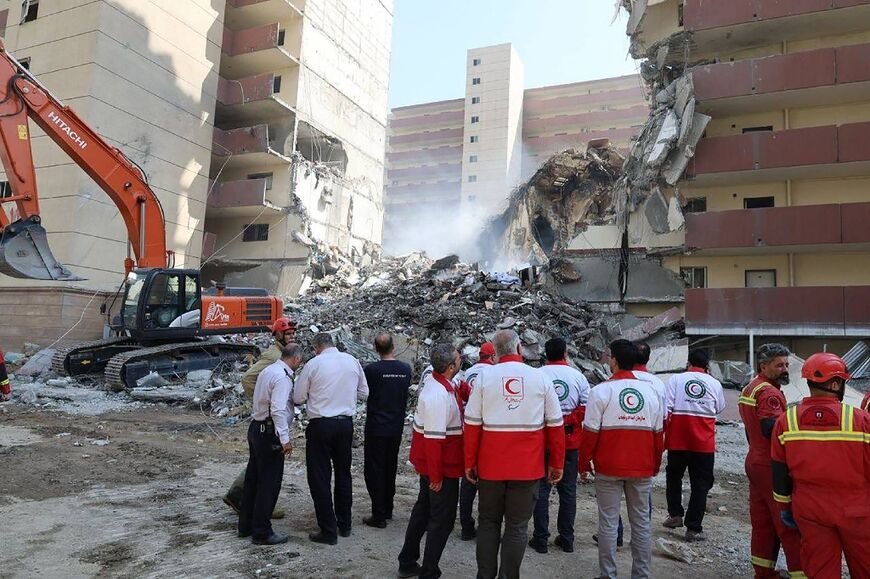
Residents in Tehran reported hearing loud explosions in multiple districts after the Israeli airstrike on Tehran began. Iranian media claimed that air defense systems were activated and several incoming missiles were intercepted.
Reports indicated that missiles were shot down near University Street, while other sources suggested that areas near Mehrabad Airport may have been targeted. These incidents highlight the scale and intensity of the Israeli airstrike on Tehran, which appears to have involved multiple strategic locations. Military analysts believe the strikes were aimed at weakening Iran’s strategic infrastructure and government institutions.
Key Targets Allegedly Hit
Early reports by BOL News suggest that several important locations were targeted during the Israeli airstrike on Tehran. Among the alleged targets were government facilities and high-level administrative offices.
Some sources claim that sensitive government buildings, including areas connected to intelligence operations and presidential administration, may have been hit. However, official confirmation from Iranian authorities remains limited.
The Israeli airstrike on Tehran is believed to represent the first phase of a multi-stage operation, with a possible second wave of strikes expected.
Iranian Leadership and Security Measures
Following the Israel airstrike on Tehran, reports indicated that Iran’s Supreme Leader, Ayatollah Ali Khamenei, was moved to a secure location outside the capital as a precautionary measure.
Iran quickly implemented emergency security procedures, including the closure of national airspace and the suspension of flights, creating disruptions for both domestic and international travel.
Neighboring Iraq also reportedly halted air traffic temporarily due to concerns about regional security risks following the Israel airstrike on Tehran.
Emergency Measures in Israel
Israel also declared a state of emergency after the Israeli airstrike on Tehran, anticipating possible retaliation from Iran or allied groups.
Authorities ordered schools to close and advised citizens to remain near shelters or secure locations. Airspace restrictions were also implemented as part of national defense measures. Security forces across Israel were placed on high alert as the country prepared for potential counterattacks.
Global Reactions and Rising Concerns
The Israeli airstrike on Tehran has drawn attention from international observers, including Russian media outlets that reported details about the strike. The attack has raised concerns about the possibility of a broader regional conflict involving multiple powers.
Experts warn that continued escalation after the Israel airstrike on Tehran could destabilize the Middle East and affect global security and energy markets. Diplomatic efforts may become crucial in preventing further military escalation.
Israel’s airstrike on Tehran
The Israeli airstrike on Tehran represents a significant turning point in Middle East tensions. With emergency measures implemented in both Iran and Israel, and possible additional strikes expected, the situation remains highly uncertain.
The coming days will be critical in determining whether the Israeli airstrike on Tehran leads to further escalation or opens the door for diplomatic solutions.